Context et objective
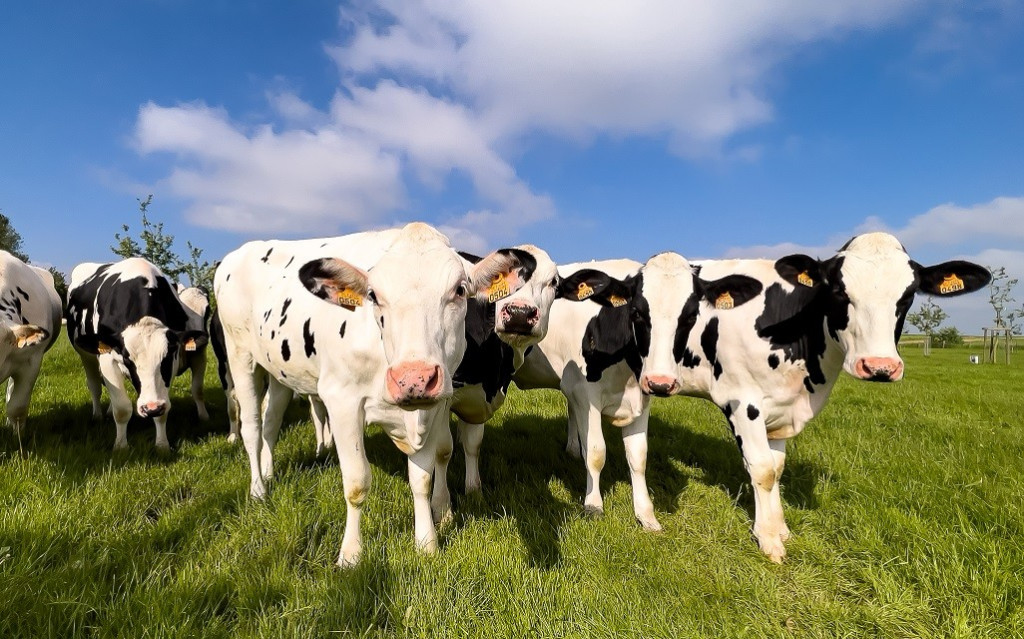
The project is based on the observation that the development of certain cattle diseases depends on weather conditions, and that these conditions know no borders, unlike livestock data management systems, which are often limited to individual farmers, technical advisers or regions. The aim of the project is to break down these barriers by integrating the various sources of information that could help anticipate stress and diseases in cattle. By ensuring interoperability between livestock data management systems and weather data, the project aims to create an early warning system modelled on sentinel medicine schemes. This early-warning system will focus on the risks of seasonal viral diseases, as well as the risks of parasitic infestation and heat stress whilst grazing. The expected benefits include improved support for herd management and the judicious use of antiparasitic treatments and other veterinary products.
Cross-border partnership
E-CowSentinel is an Interreg France-Wallonia-Flanders project led by the Ardennes (France) Animal Health Protection Group (GDS). The Walloon partners are CRA-W (Units 5, 6 and 12), ARSIA, Élévéo and RumeXpert. The Flemish partners are UGent, ILVO and Kreavet. The French partners are the GDS of the Marne, the GDS of Picardy and iOtee.
Activities
1. Living Lab
The project will establish a network of 100 farms where zootechnical and health measurements (milk tank analysis) will be carried out. A smaller network of 20 sentinel farms will also be set up. These sentinel farms will benefit from more advanced equipment and more intensive monitoring. The CRA-W will equip each of them with a weather station. The animals will be fitted with connected collars to monitor their behaviour. Viruses present in their respiratory tracts will be detected via nasal swabs, whilst gastrointestinal parasites will be detected through analyses of faeces and milk. A system for managing farmers’ consent to data sharing will be put in place for all regions involved in the project.
2. High-quality local weather data… across borders
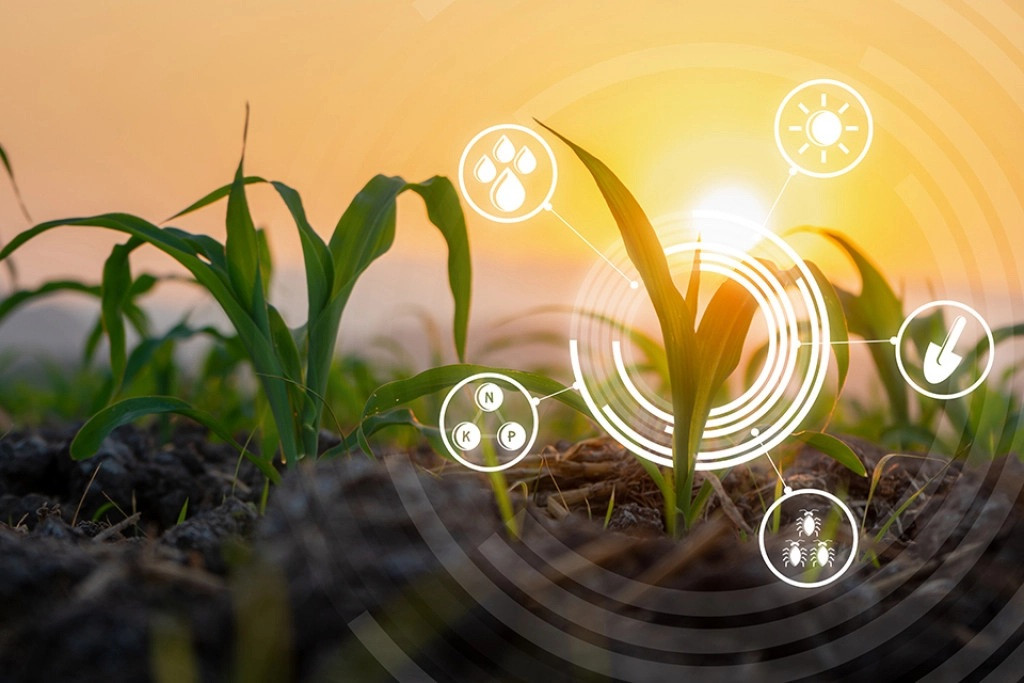
A weather-related health risk warning system requires a real-time feed of high-quality weather observations. The relevant measurements are air temperature, relative humidity, rainfall, wind speed, solar radiation and leaf wetness duration. For each of these variables, the CRA-W will rise to the challenge of providing a gridded weather product, delivering hourly estimates of the weather parameter at every point within the Wallonia-Flanders-Northern France cross-border region. These weather products will be generated by combining data from various public weather station networks with radar and satellite observations. The CRA-W will also improve its automatic weather data quality control algorithm to include an automatic correction feature, enabling measurement errors to be corrected in real time without the need for human intervention. This feature will ensure the long-term supply of high-quality weather data to the warning system.
3. A decision-support tool for anticipating the risk of diseases
Upon completion of the project, a decision-support tool for calculating the risks of viral or parasitic infections will be made available online. The CRA-W will work with field operators to develop a methodology for investigating farmers’ expectations and formalising their needs. The methodology will be based on focus group surveys.
4. Infrared spectroscopy: a diagnostic tool?
The CRA-W will investigate the potential of near-infrared spectroscopy for detecting parasitic infections in cattle faeces. The research will focus on selecting the most suitable equipment, sample collection methods, the development of a predictive model and its validation.
Expected results
- Establishment of a broad network of 100 farms.
- Establishment of a network of 20 sentinel farms
- An ‘Agromet’ weather product covering the entire project area.
- A decision-support tool for assessing the risks of viral and parasitic diseases.
- Assessment of the potential of NIR spectroscopy to detect parasitic infections in faeces.
Funding
The project is funded by the European Union (ERDF, Interreg FWVL call for proposals), the Walloon Region, the Province of East Flanders, and private funds contributed by each of the partners.
Team