
Context
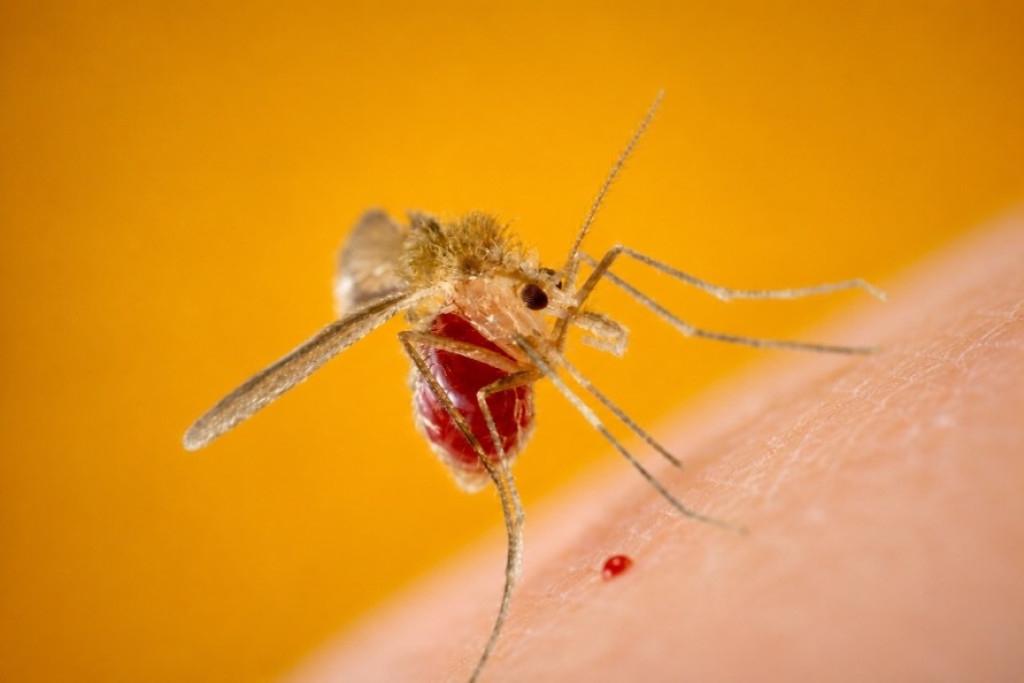
Leishmaniasis is a parasitic disease transmitted through the bite of a small insect vector known as the sand fly. It can cause cutaneous lesions or, in its visceral form, severe damage to internal organs that may be fatal. Rural populations are particularly exposed because of their proximity to vectors and animal reservoirs, as well as housing conditions that favor vector proliferation. The disease remains a major public health concern, particularly in Morocco, where it is endemic.
Understanding transmission dynamics is currently limited by the complexity of interactions among vectors, hosts, and parasites, as well as by the limitations of existing analytical methods, which are often time-consuming and difficult to apply on a large scale. In this context, the development of innovative analytical approaches must be accompanied by sustainable strengthening of local scientific capacities to ensure long-term adoption and use.
Objectives
The overall objective of the PheLeish-MS project is to strengthen entomological surveillance and improve understanding of leishmaniasis transmission cycles in Morocco, while contributing to the development of local scientific expertise.
More specifically, the project aims to:
- Develop innovative mass spectrometry methods.
- Identify vectors, their hosts, and their infection status based on blood-meal analysis.
- Improve knowledge of vector–host–parasite interactions.
- Train a new generation of scientists capable of applying and disseminating these approaches.
- Generate evidence to support public health decision-making.
Approach et methodology
The project is based on a multidisciplinary approach combining:
- Field sampling in endemic areas.
- Targeted mass spectrometry analyses (MRM-MS).
- Bioinformatics and data science tools.
- Conventional validation methods (morphological identification and PCR).
This approach makes it possible to simultaneously identify, from a single sample:
- The vector species.
- The origin of blood meals.
- The infection status of the vector.
As a result, it provides a comprehensive view of the mechanisms involved in disease transmission.
Training and capacity building
The project includes:
- Supervision of Moroccan PhD candidates and early-career researchers within a multidisciplinary research environment.
- Development of advanced skills in entomology, parasitology, mass spectrometry, and data analysis.
- Establishment of a joint North–South supervision framework to promote knowledge transfer.
- Participation in field, laboratory, and analytical activities.
- Strengthening the capacities of Moroccan partner institutions.
This approach aims to train independent scientists capable of developing, applying, and transferring these methodologies within their own country, thereby ensuring the long-term sustainability of the project's outcomes.
CRA-W involvement
CRA-W is a partner in the project and contributes primarily by:
- Developing routine analytical methods based on the identified biomarkers.
- Adapting advanced approaches into practical tools applicable in real-world settings.
- Providing expertise in mass spectrometry and proteomics.
- Contributing to the training and supervision of early-career researchers.
CRA-W therefore plays a key role in translating scientific findings into operational solutions and facilitating knowledge and technology transfer.
The development of innovative methods for the surveillance of disease vectors is fully aligned with the expertise that CRA-W has built in the field of targeted protein analysis, particularly through the activities of the EURL-AP. The PheLeish-MS project represents a strategic opportunity to expand the expertise of the ProteoMicS laboratory in the detection and monitoring of disease vectors and associated biomarkers.
Beyond this specific application, the skills, methodologies, and tools developed within the project will contribute to the establishment of a state-of-the-art analytical platform that can be reused to address emerging disease surveillance challenges. This will further strengthen CRA-W’s position in the development of innovative solutions for animal health and within a broader One Health framework.
Consortium partners
The project is part of an international and multidisciplinary consortium that includes:
- Université Libre de Bruxelles (ULB, Belgium), Northern coordinating institution
- ISPITS (Morocco), Southern coordinating institution
- Institut Pasteur du Maroc (IPM)
- Institut Agronomique et Vétérinaire Hassan II (Morocco)
- Université de Namur (UNamur, Belgium)
Funding
PRD project funded by ARES (Académie de Recherche et d’Enseignement supérieur, Belgique)
Team