The potato plant sector in Wallonia is facing three major challenges:
- Maintaining production areas, after a sharp drop in Europe which has led to a shortage. Despite a recovery in 2024-2025, Belgium is still highly dependent on imports;
- Plant quality, threatened by virus Y (PVY), which is responsible for significant losses and downgrading (6% to 28% of batches in Belgium);
- Weed management, which can cause up to 80% yield losses. Reducing the use of herbicides in Europe means we need to find sustainable alternatives.
These challenges undermine the sector's profitability and sustainability, and call for innovative solutions to ensure competitive, environmentally friendly production.
The specific objectives of the INNOSEED project are:
- Identifying virus-causing strains: This will allow us to better understand the interactions between PVY strains and potato varieties, taking into account changes linked to climate change;
- Studying alternative methods of managing PVY transmission: The aim is to determine the best practices for limiting the spread of the virus and reducing its impact on production;
- Developing innovative weed control techniques: This section of the project aims to propose alternative solutions for reducing herbicide use while maintaining weed control efficiency.
In partnership with FIWAP, the project is striving to find solutions to improve the resilience of the plant sector in the face of health and environmental challenges, while contributing to more sustainable agriculture.
Funding:
EIP Cooperations (European Innovation Project) - Walloon CAP Strategic Plan - 2023-2027
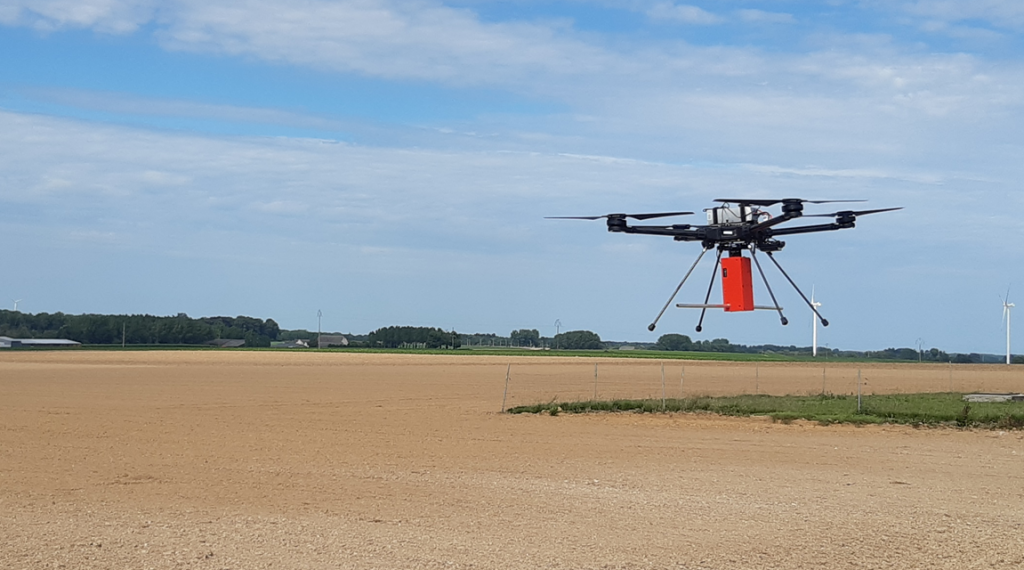
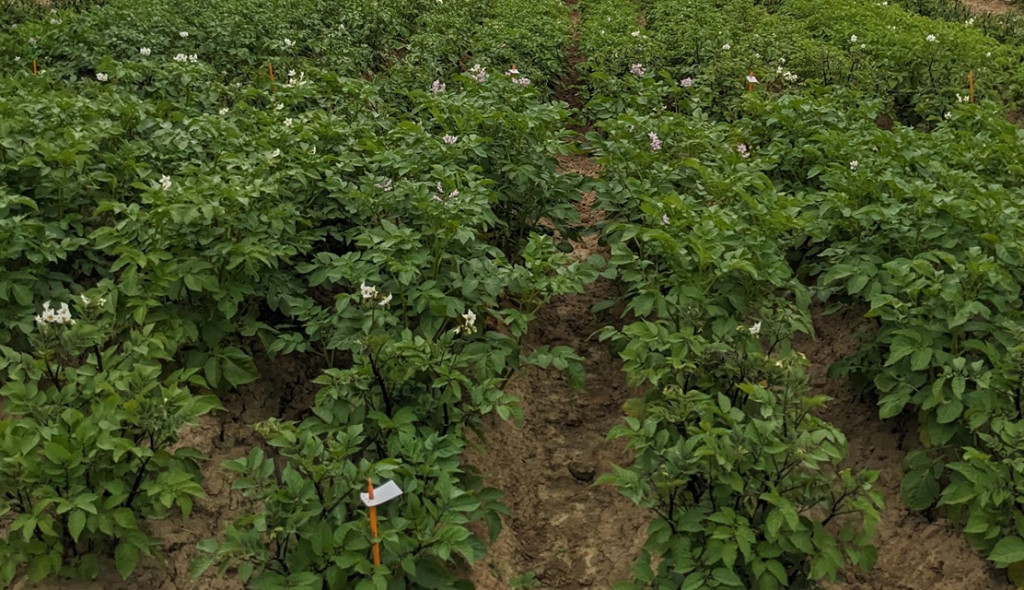
Photo title: Trial of alternative methods to combat PVY (25/06/2025 - Gembloux)