

New, organic formulations could improve the effectiveness of biopesticides while limiting the presence of microplastics in agricultural soils.
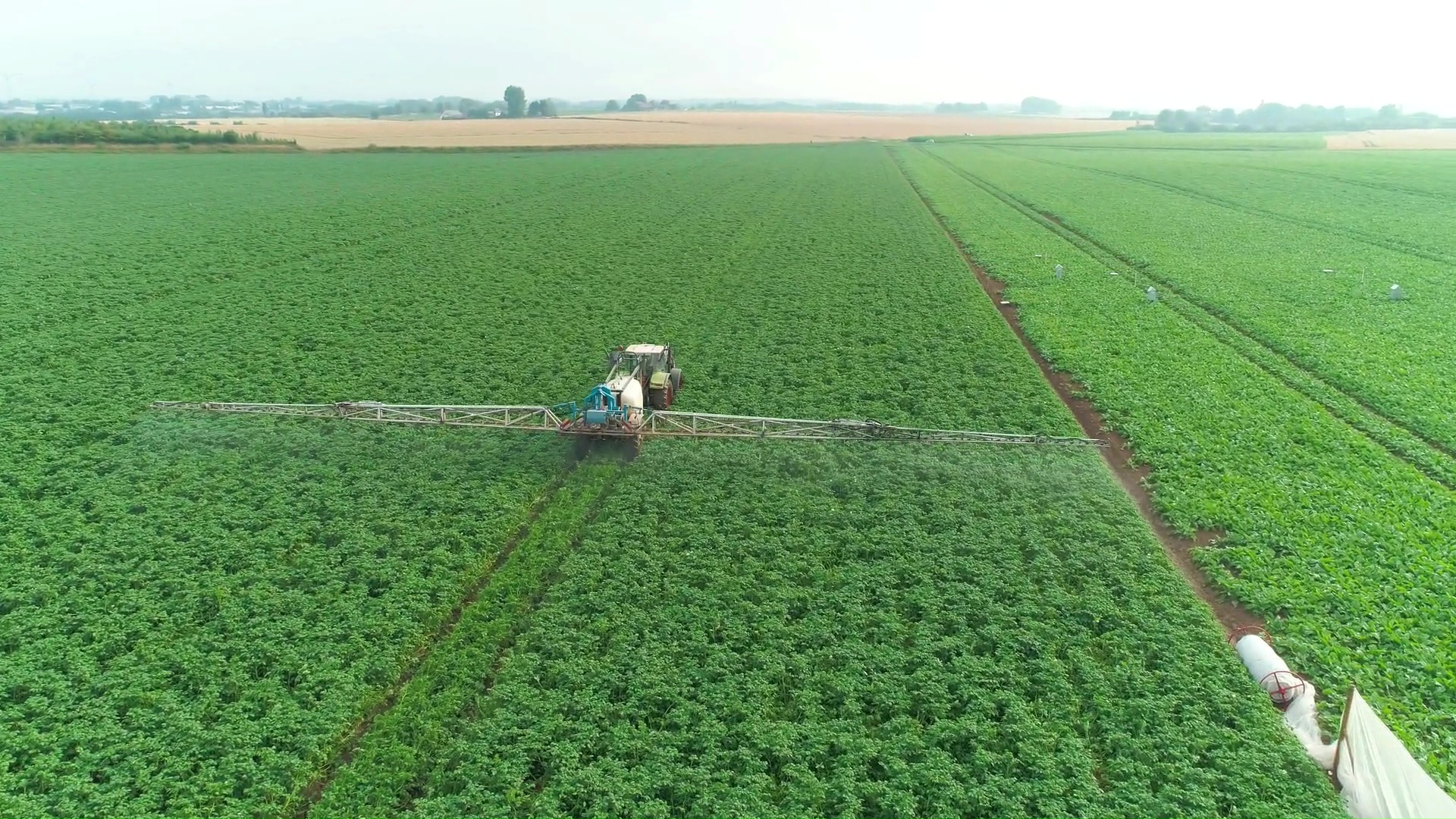
Europe's "Farm to Fork" strategy calls for a significant reduction in pesticide use and related risks by 2030. To achieve this goal, it is essential to develop safer and more sustainable plant protection products. In this context, organic pesticides represent a promising alternative. However, their effectiveness in the field is sometimes limited, as some active ingredients are sensitive to UV rays or evaporate quickly, reducing the period over which they remain active.
In addition, many of the controlled-release systems in use today are derived from petrochemical-based polymers, which are often poorly biodegradable, or not at all. If these substances start to accumulate, this can contribute to the pollution of agricultural soils by microplastics.
The Bioreleacide project aims to develop simple, entirely bio-based formulations capable of releasing their plant protection agents gradually. The approach involves combining hydrophilic and hydrophobic nano- and micro-particles. Adjusting the proportions of these materials makes it possible to adapt the rate of release of active substances to the needs of the crops and pests targeted.
Some natural nanofibres, such as those derived from wood cellulose or crustacean chitin, offer particularly promising potential. They can stabilise emulsions and form effective barriers against gases, helping to protect active ingredients and prolong their efficacy.
Carried out in collaboration with ULiège and Celabor, this work highlights the importance of formulation in the development of more sustainable plant protection solutions. Ultimately, these approaches could make it possible to reduce the doses applied, spread out treatments and limit the environmental impact of products used in agriculture.