


Insects are viewed as an alternative and sustainable source of protein. But how can feed quality be ensured and fraud prevented?
A growing sector under pressure
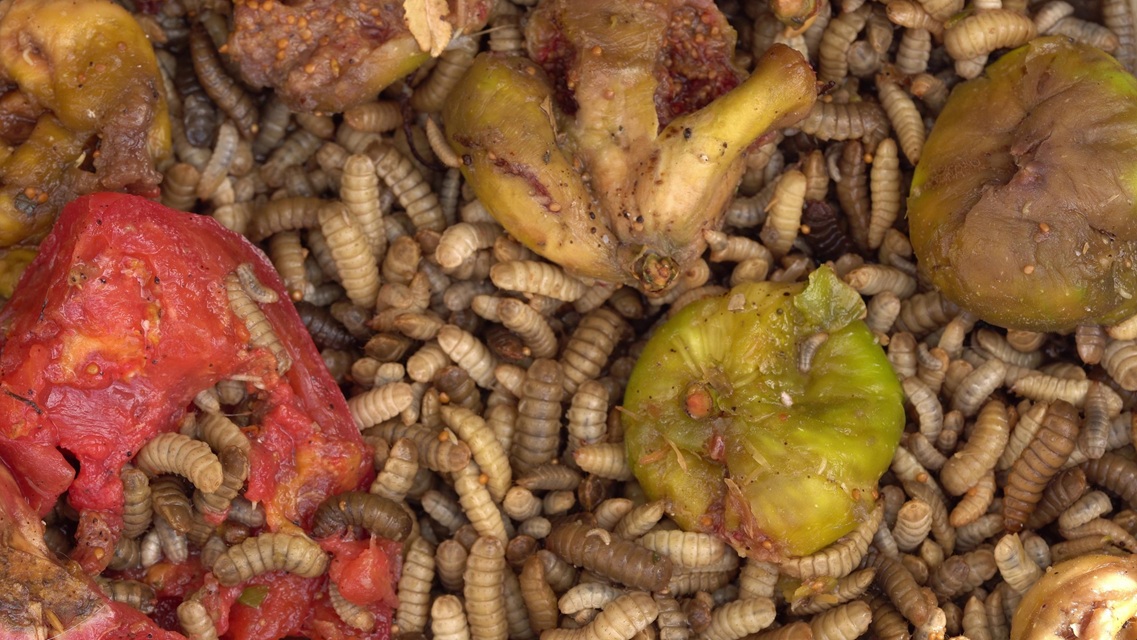
Insects, such as the black soldier fly (Hermetia illucens), are often presented as a promising source of protein for both animal nutrition and human consumption.
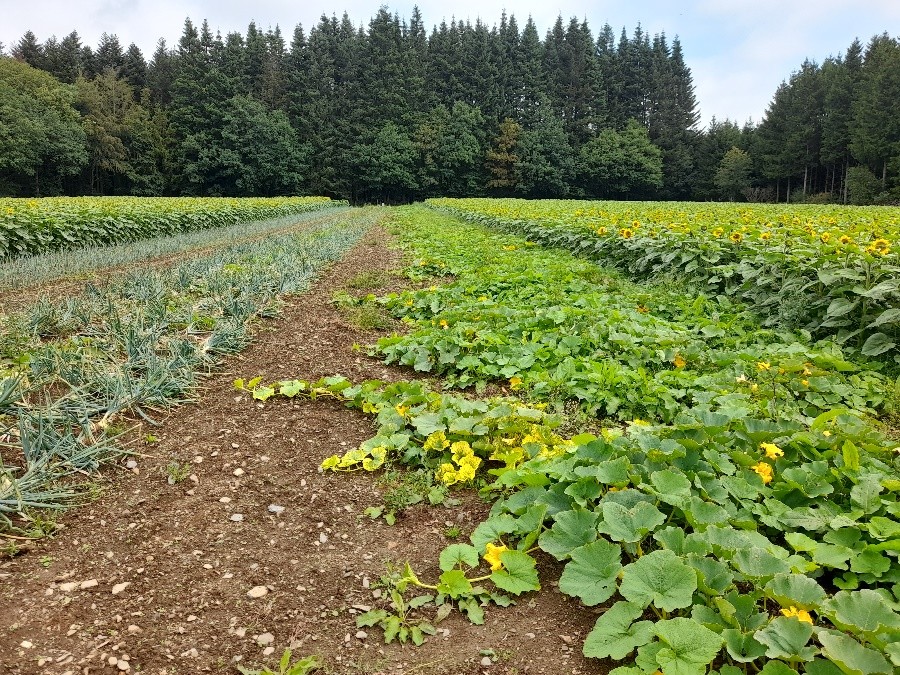
However, the European insect farming sector is currently facing significant challenges. Several producers are ceasing operations due to excessively high production costs. One of the main reasons is the limited number of substrates authorised for insect rearing, which are often more expensive than other readily available materials.
In this context, ensuring compliance with food and feed safety requirements has become a critical issue.
A risk that is currently difficult to control
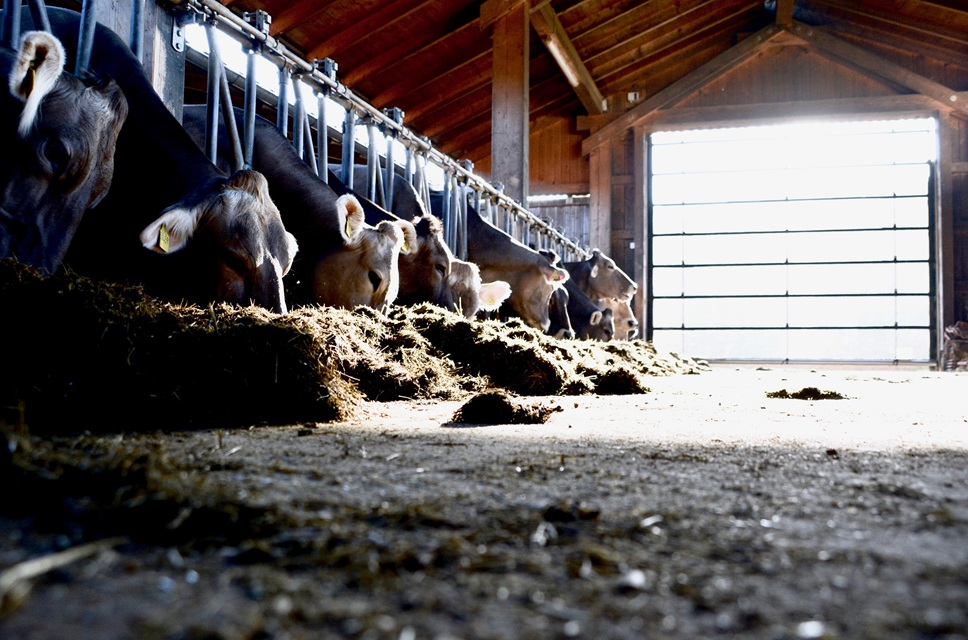
Certain substrates, such as livestock and slaughterhouse residue (effluents, manure, slurry, etc.), are prohibited in Europe for sanitary reasons, even though certain insect species naturally thrive on these materials. In countries where regulations are less strict than in Europe, producers might therefore be tempted to use such substrates.
At present, there is no control method available to verify which substrates have been used for insect farming. This lack of verification tools paves the way for potential fraud and raises concerns about the safety of the resulting products.
New methods to remove uncertainty
The InSpectrum project aims to develop analytical tools capable to identify, directly in the insect-based products the substrates used for insect rearing.
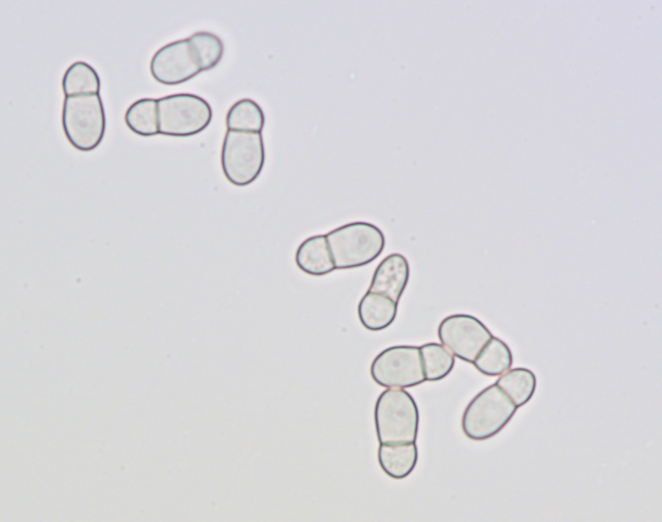
To achieve this, the project combines various approaches, bringing together existing methods (light microscopy, PCR) and innovative techniques (mass spectrometry, near-infrared spectroscopy).
The objective is to provide control laboratories with reliable solutions that can be routinely applied in food and feed safety monitoring.
Towards greater transparency
At the end of the project, a market assessment will be conducted, and products from various origins will be analysed to gain a better understanding of current practices both within and outside Europe.
This work will support regulatory authorities and strengthen confidence in a rapidly growing sector.

Funding:
Project subsidised by FPS Public Health, Food Chain Safety and Environment, RF 26/09