Verticillium dahliae is a soil fungus that causes wilting in many plants. It has only recently been reported in flax cultivation. During retting, it affects the quality of the fibre, which becomes brittle. The pathogen produces highly resistant spores (microsclerotia) on wilted plant tissue. Once in the soil, these microsclerotia can survive for several years, even without any host plants.
Potato cultivation is not too severely affected by this fungus, but it can cause the microsclerotia in the soil to multiply. This crop is therefore a favourable precedent for the development of verticillium wilt in flax crops.
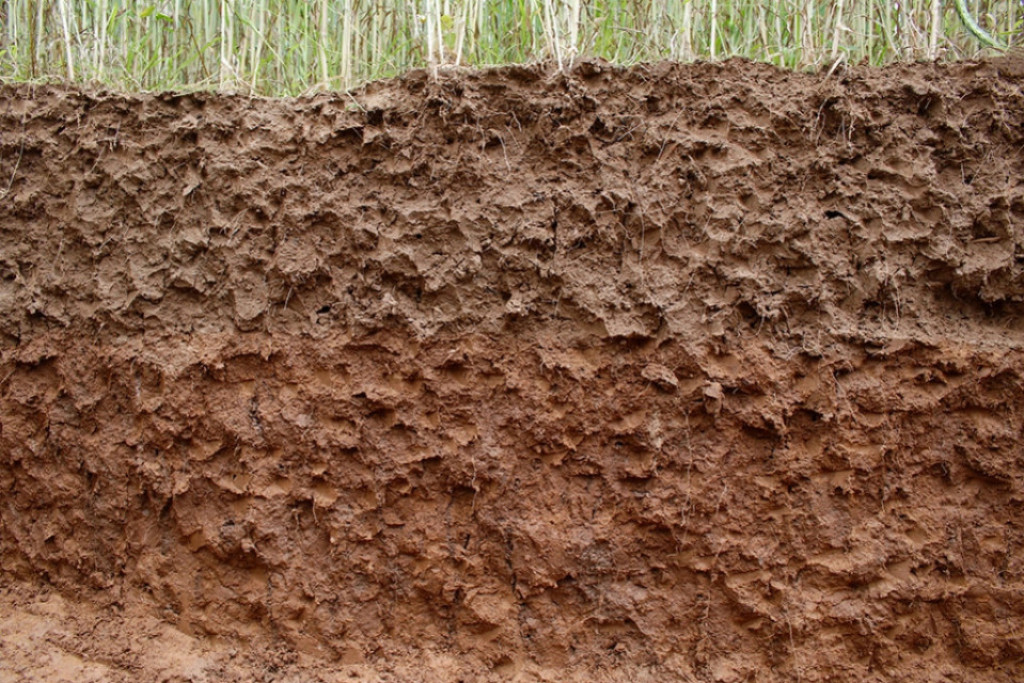
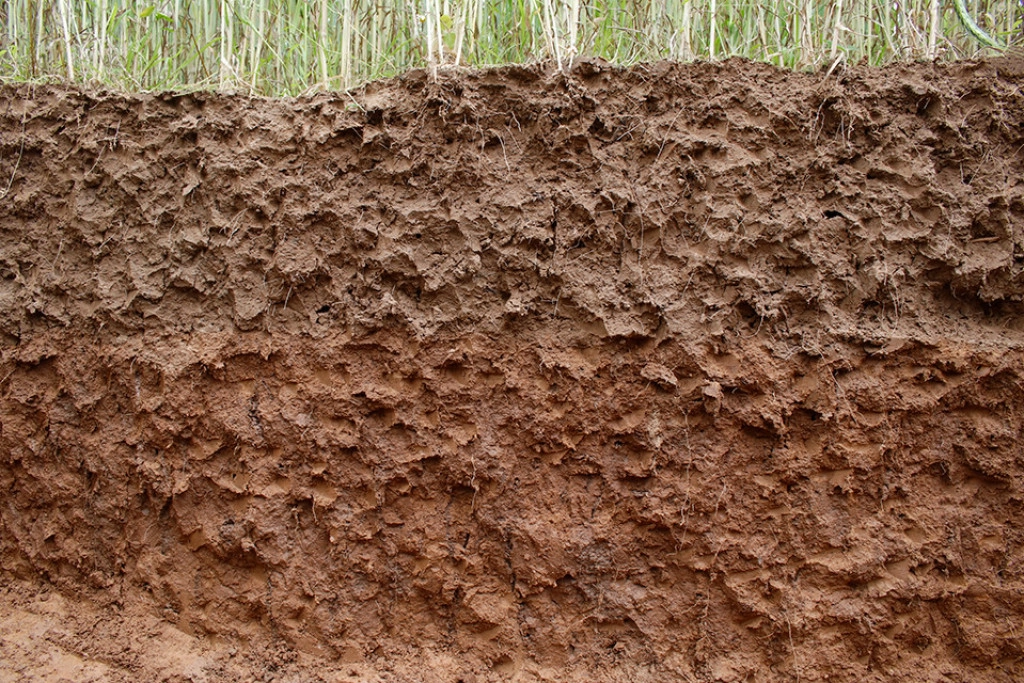
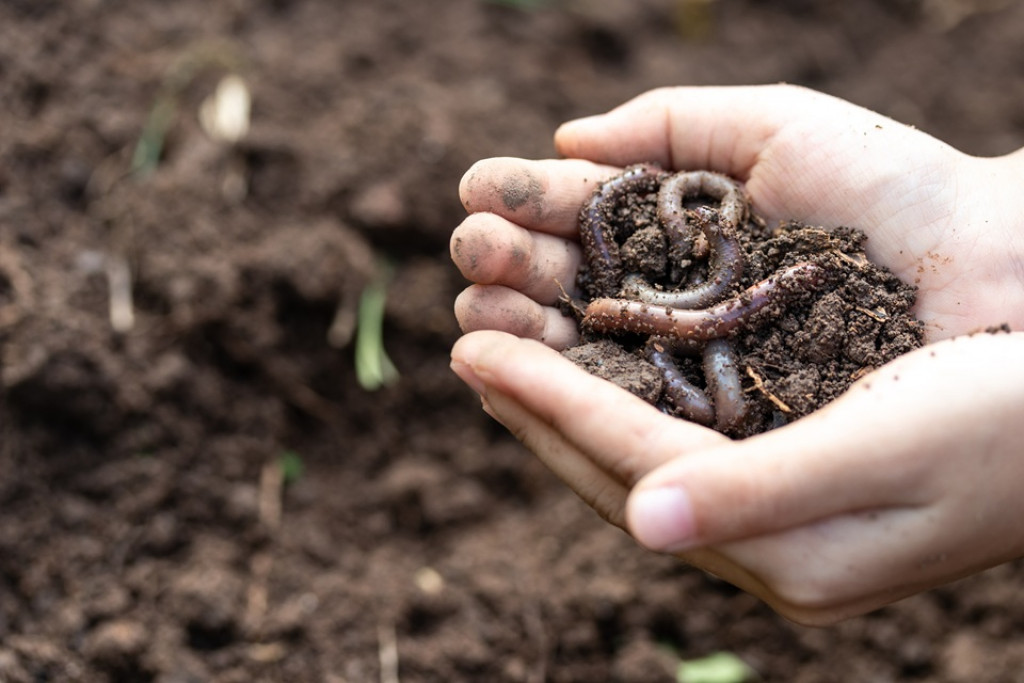
Microsclerotia germination is an essential step in the infection process. It is conditioned in particular by the biological characteristics of the soil (absence of antagonistic micro-organisms and/or soil fatigue linked to insufficient biodiversity), but also potentially by the production of root exudates.
In the Trans-Pathoflax 2.0 project (2024-2028), the CRA-W is evaluating a sample group of potato varieties for their susceptibility to verticillium wilt. At this stage, four varieties have been tested and all are susceptible to the disease. If resistant varieties are identified, they will be offered to farmers.
At the same time, the role of the biological characteristics of soils is being studied using soil samples taken from France and Belgium (collaboration between ARVALIS - France and INAGRO/ILVO - Flanders). Initial results suggest that the biological wealth of soils plays a key role in the infection mechanism.
Finally, tests in the presence of flax root wall extracts are being carried out in collaboration with the University of Amiens (UPJV). Initial results show that extracts of a variety susceptible to verticillium wilt trigger the germination of microsclerotia. Trials are now due to be carried out on other varieties.
Funding:
Interreg Trans-Pathoflax 2.0 project, Biocontrol 4.0 portfolio.
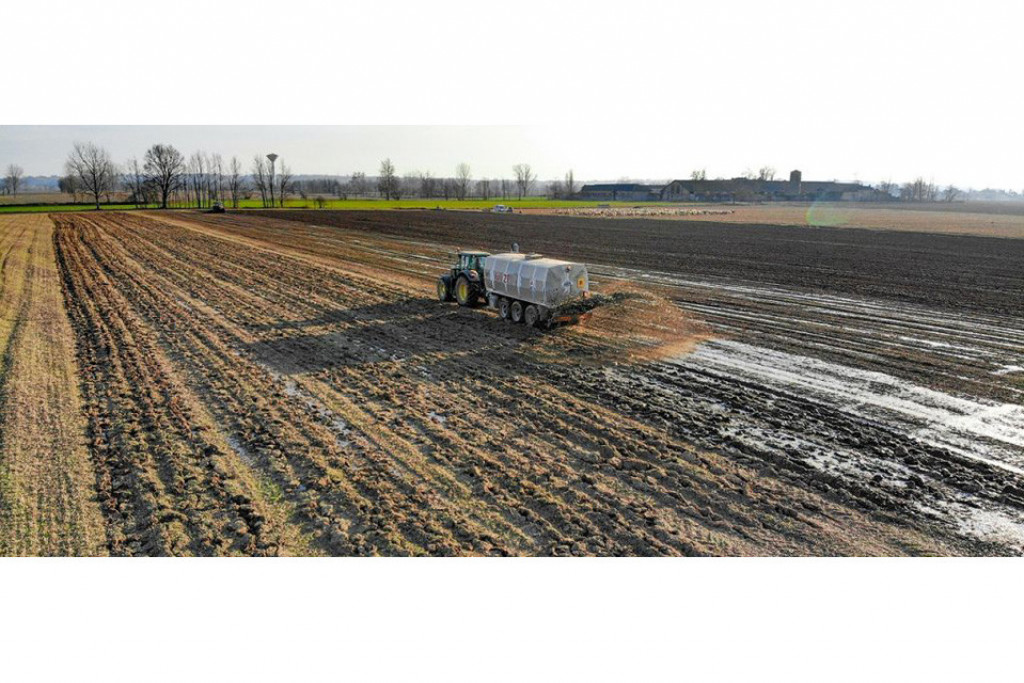
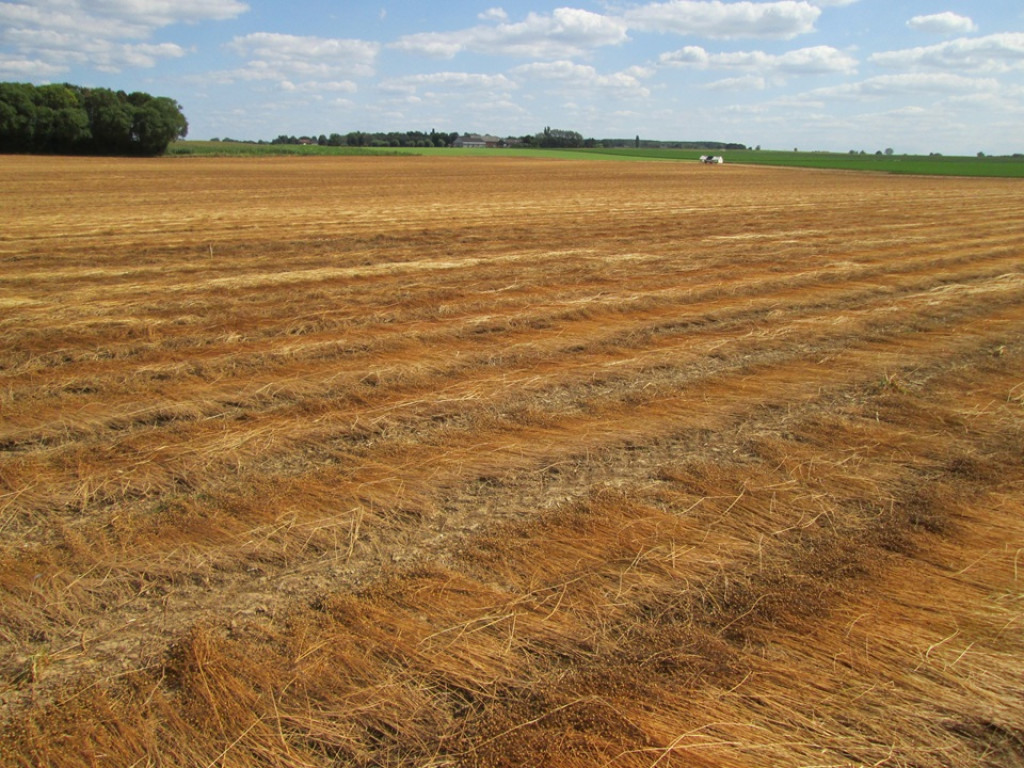
Photo caption: Fibre flax field after plants have been uprooted, laid out on the ground and left in place for several weeks (retting).

Useful information
Team