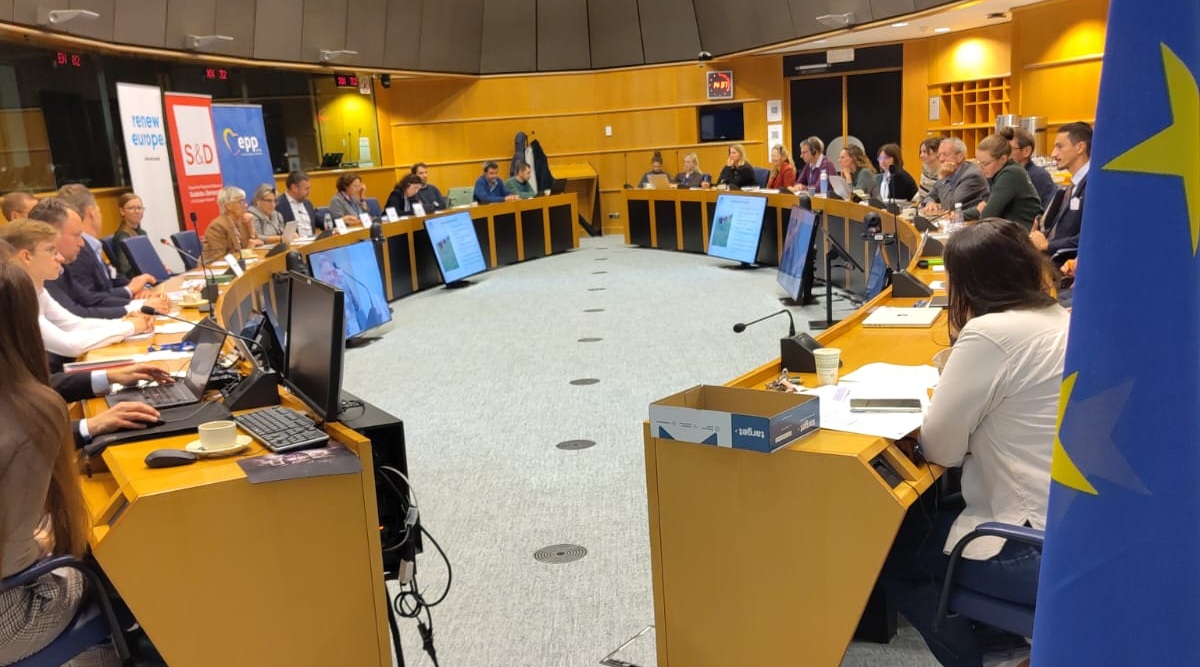


Walloon players are bringing their voice from the field to the European Parliament on the barriers to and levers for agroecology.
A delegation from the Agroecology-TRANSECT project took part in a meeting at the European Parliament, bringing together members of parliament from various political backgrounds, as well as farmers and researchers.
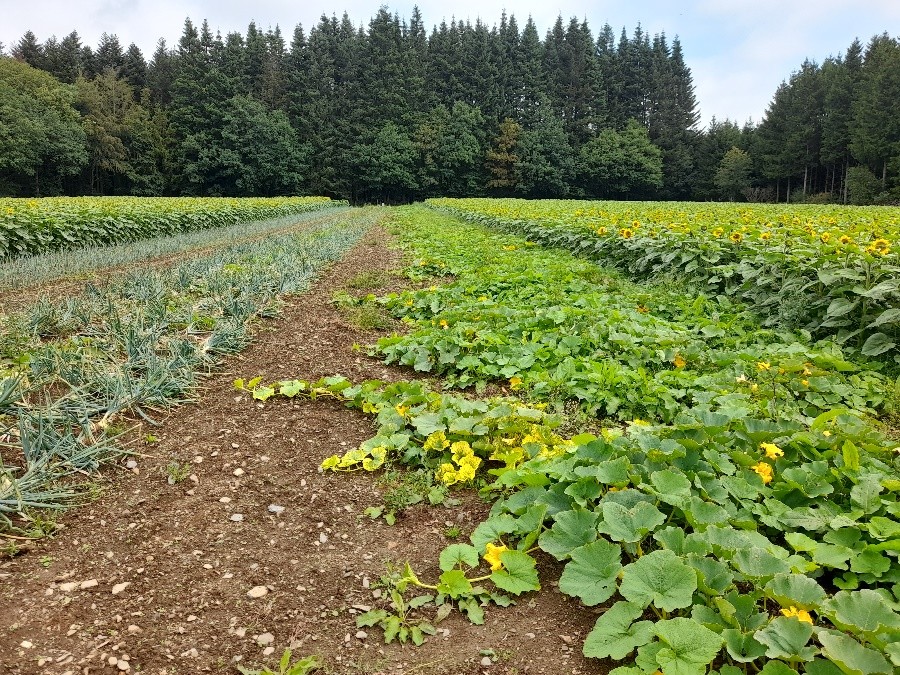
This European project aims to achieve socially and economically viable agriculture that respects the climate and biodiversity. It is based on 11 field initiatives from across Europe, known as "Innovation Hubs", exploring a variety of systems ranging from grass-fed livestock to field crop monitoring and value chain work. In Wallonia, the organic conservation agriculture (ABC) group run by the CRA-W and Greenotec is testing practices directly with farmers, in real-life conditions, combining organic farming and soil conservation.
Shared realities on the ground
A Walloon farmer and the leader of the ABC group, along with some Hungarian and Danish farmers, had the opportunity to exchange views with members of parliament from various political backgrounds. Discussions focused on the Common Agricultural Policy (CAP), and other key issues, such as generational renewal, recognition of the services provided by agriculture and better representation of both male and female farmers.
Bringing science and politics together
The meeting provided an opportunity to present a policy brief based on the work carried out by the CRA-W. It highlights several key barriers and levers to the development of agroecology in Europe, including the need to support farmers in the transition, the need to define a clear outlook to secure investments, and the perception of unfair competition from imports of agricultural production from countries with different standards. This document underlines the importance of enhanced dialogue between players in production, research and public policy.
Funding: European Commission, Horizon Europe framework programme