

Rarely grown in our region, millet is a gluten-free cereal. An initial organic varietal trial was carried out at the CRA-W in 2025.
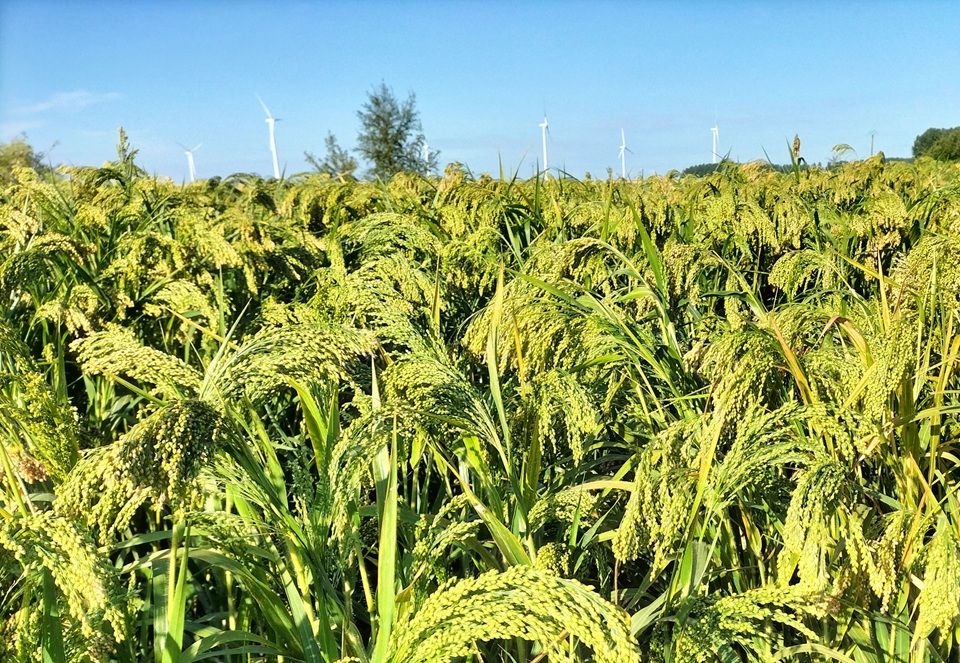
Proso millet (Panicum miliaceum L.) is one of the three main cultivated millet species. This cereal produces very small, round grains (3 mm in diameter) and one of its distinctive features is that it is gluten-free, like rice or corn. It is a summer cereal with a short cycle: In France, the cycle lasts between 90 and 120 days. Millet is not very susceptible to diseases, does not transmit foot rot and its volunteers are very susceptible to frost. Today, it is mainly grown in India, China, Russia, the United States and Eastern Europe.
New outlets for more diversified rotations
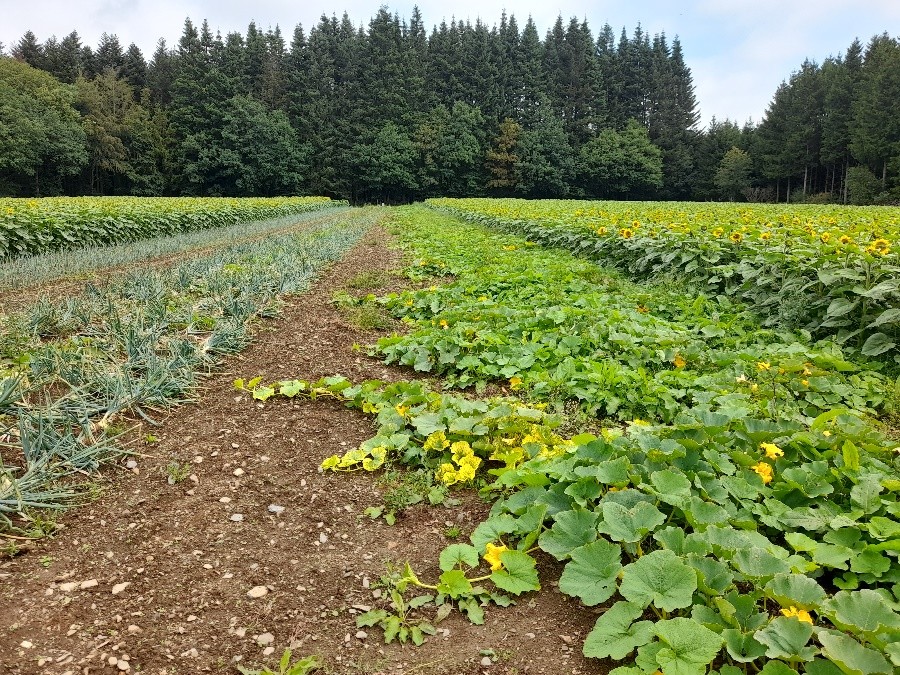
This crop, which is still uncommon in Belgium, is being studied to explore its potential in organic farming as part of the ABC to Food research project, which brings together industrial partners, research centres and the Farm for Good cooperative. This project aims to develop outlets for eight crops of interest with a view to diversifying and lengthening rotations. Proso millet is one of these crops: Its agronomic characteristics could be an asset in a longer, more varied crop rotation, while its grain is of interest for the development of gluten-free food products, in particular.
Encouraging results to be confirmed
An first variety trial was carried out at Gembloux by the CRA-W in summer 2025, assessing nine different varieties. Sowing took place on 23 May, and harvesting on 19 September. The weather conditions were ideal for good crop development. This resulted in good yields, despite some lodging and shattering in the trial. Yields (expressed at 10% moisture content) averaged 3.6 t/ha, varying from 3.0 to 4.5 t/ha depending on the variety.
A new variety trial, starting in spring 2026, will enable us to consolidate these first results.
Funding: Wagralim competitiveness cluster and Wallonia.