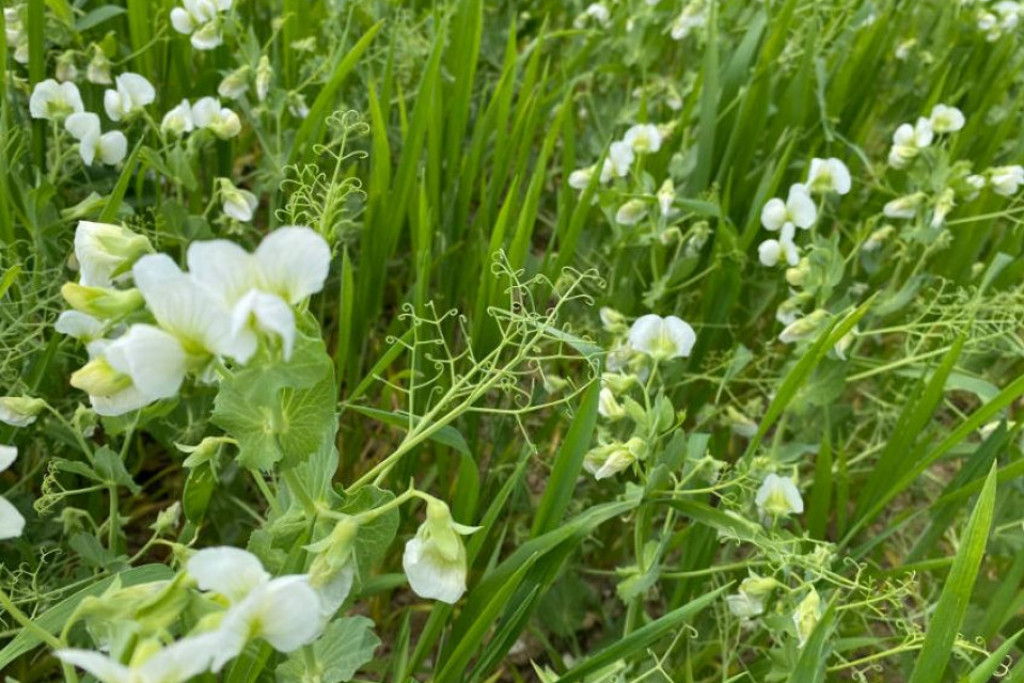
The AssoBIO project aims at co-construct and test production itineraries of mixed crops integrating grain legumes in organic farming.
Context
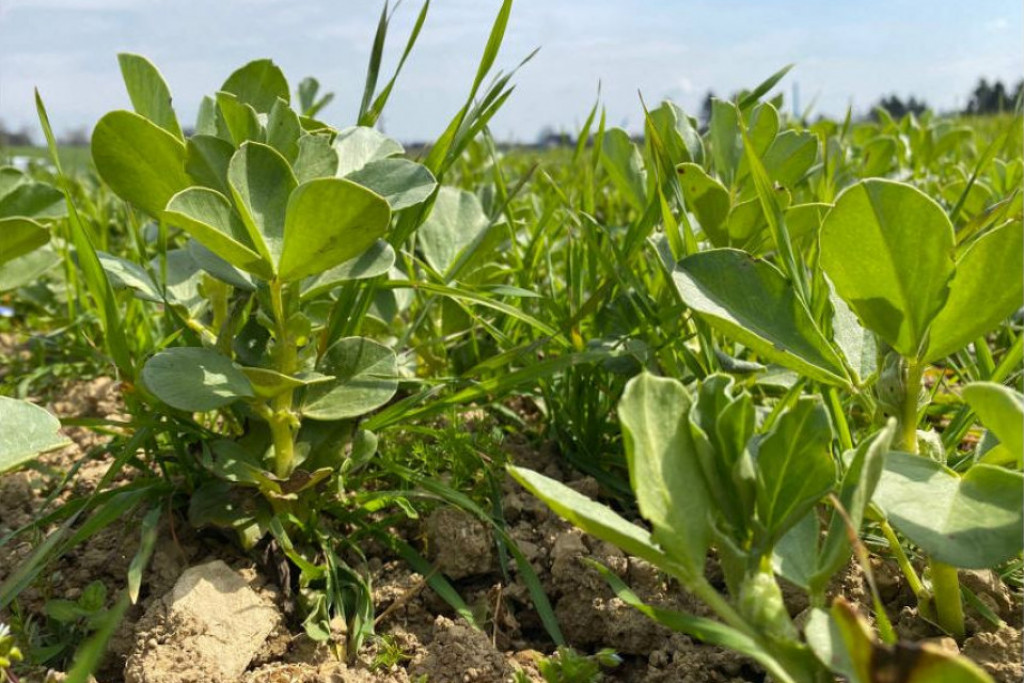
Grain legumes represent a lever to meet two major challenges for Walloon agriculture, namely reducing the use of nitrogenous inputs thanks to their ability to fix atmospheric nitrogen and increasing the protein autonomy of our agri-food systems thanks to their protein-rich seeds. Mixed cropping systems, consisting in growing several species in a mixture on the same plot, represent one of the solutions to face the main challenges related to legumes crops in organic farming (weed control, sensitivity to lodging and diseases, etc.). However, the adoption of this practice by farmers remains limited due to the questions that the integration of these associations, in the cropping systems and in the value chains, raise.
Objective
The AssoBIO project aims at co-constructing and testing production itineraries of mixed crops integrating legumes crops in order to reach the growing societal demand for plant proteins. This co-construction will be carried out by involving actors from the entire sector. This research project will therefore emphasize a participatory approach combining multi-stakeholder workshops and on-farm trials with the aim of highlighting actionable knowledge and removing obstacles to the development of associated crops integrating protein crop species.
In order to reach this general objective, the operational objectives of this project are :
- To characterize the phytotechnical itineraries currently implemented in a range of pedoclimatic and socio-economic situations, in parallel with the definition of the obstacles and levers encountered;
- To highlight and co-build, with all the actors involved (producers, processors, distributors), possible solutions (place of associations in the rotation, relay cultivation, cleaning in the field/mobile sorter) to the obstacles raised by the latter;
- To test and evaluate, on the farm, phytotechnical itineraries for the production of mixed crops that meet the expectations of the actors of the sector.
Understanding the Barriers and Solutions for Developing Legumes in mixed cropping systems under Organic Farming
The analysis of obstacles to implementing and valorizing mixed cropping systems with protein crops in organic farming reveals complex interactions between agronomic, logistical, and economic factors.
Limited knowledge and experience increase the level of risk for farmers, which reduces cultivated areas and limits production volumes. These small volumes are difficult to market and generate additional costs (sorting, storage, collection), reinforcing the perception of risk.
Added to this are yield variability and crop quality, influenced by climate, pests, and weed management challenges. Finally, limited demand and foreign competition restrict market opportunities.
Systemic Solutions to Overcome Barriers
To address these challenges, several levers have been identified:
- Improving agronomic practices: species selection, swathing techniques, drying.
- Optimizing logistics: regional storage, shared sorting equipment.
- Strengthening valorization: representative sampling, dehulling, quality labels, new processing methods.
These measures highlight the importance of a collaborative approach between farmers and supply chain actors to secure production and promote the sustainable development of intercropped systems in organic farming.
Trials to Strengthen Knowledge
The trials conducted provide valuable insights:
- Lentil–mustard association: comparison between direct harvesting and swathing. Yields were similar, but swathing significantly reduced impurities by drying weeds before harvest. However, this technique has constraints (risk of shattering, need for favorable weather conditions).
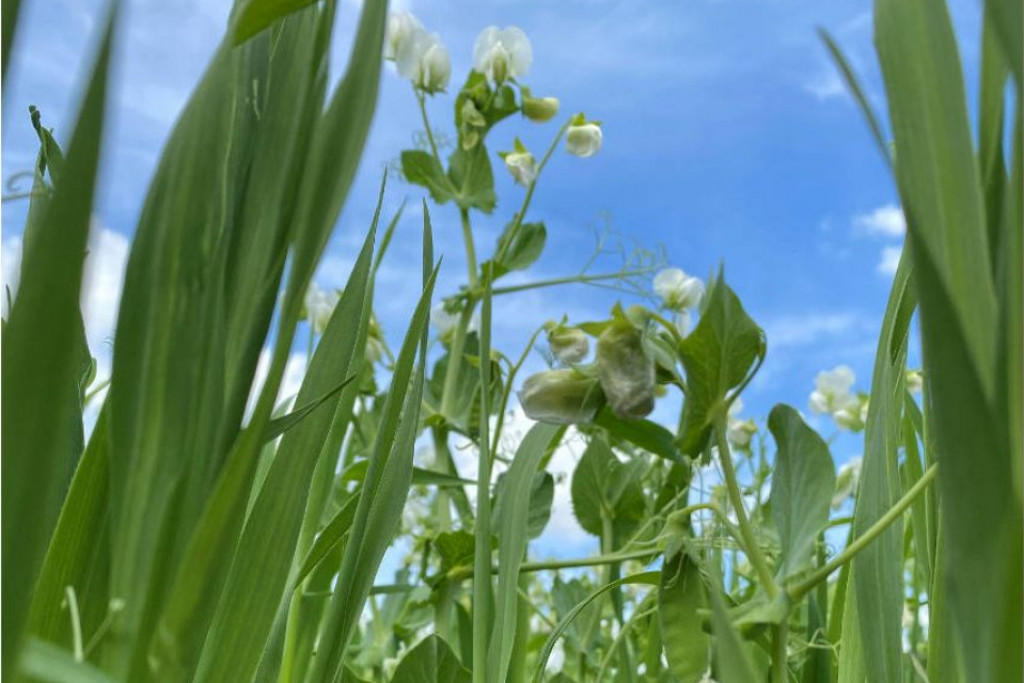
- Hr pea intercropped with barley vs. conventional pea: Hr pea, sensitive to photoperiod, allows early sowing and better establishment. The association with barley showed higher dry matter yield and a greater proportion of legumes, confirming its potential to diversify rotations and optimize biomass. This type of pea should be prioritized for intercropping with winter cereals.
- Sampling protocol: inconsistencies between samples and full sorting revealed biases linked to mixture composition and lot heterogeneity. It is necessary to refine the method and standardize the protocol at the trailer scale to ensure reliable analyses.
These results pave the way for further research and better structuring of the value chain to secure production and valorization of intercropped systems in organic farming.
Partnership
Biowallonie
Participating farmers and actors
Funding
This project is funded by the Walloon Region in the context of the recovery plan for Wallonia.