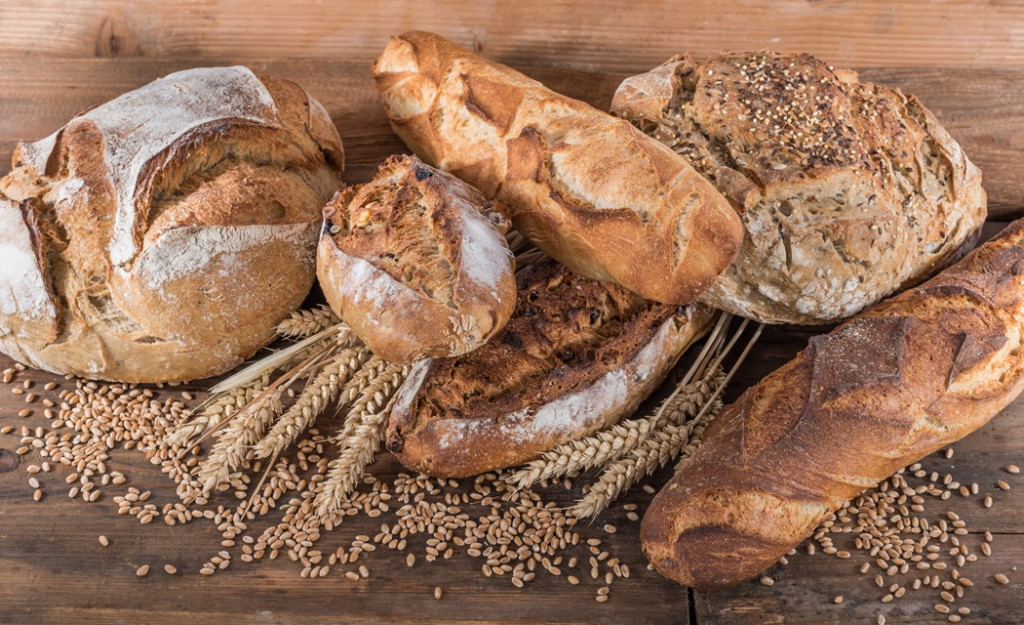
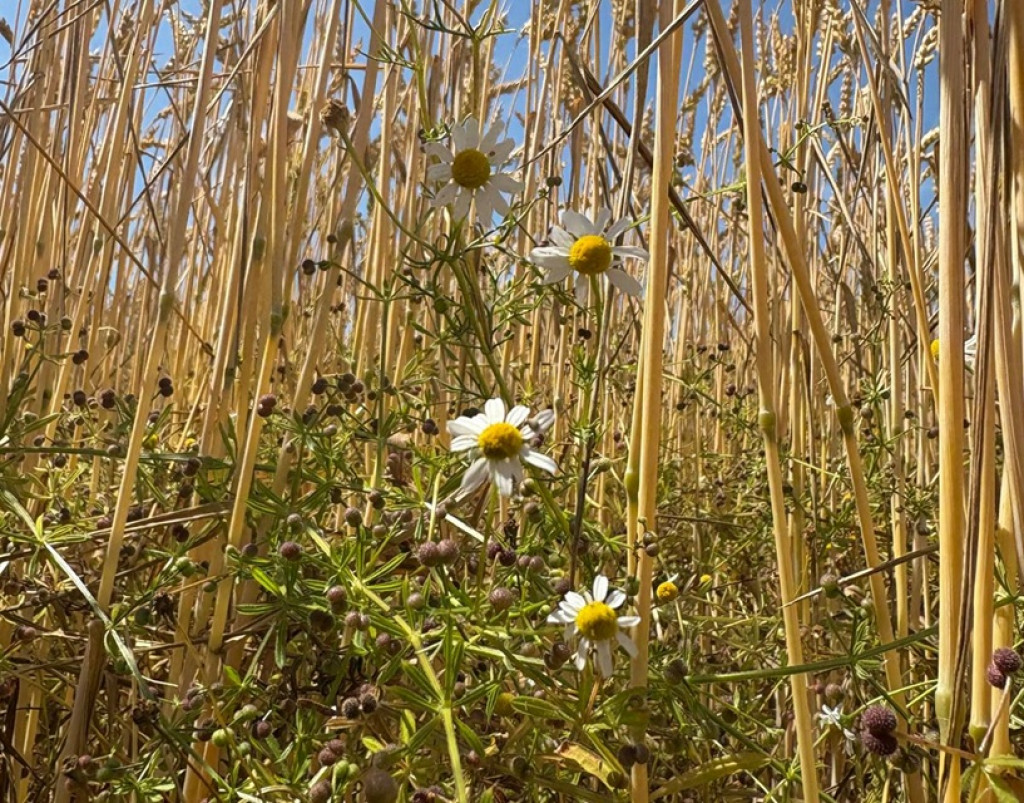
Farmers in Luxembourg and Wallonia are subject to increasingly stringent standards to limit the impact of their practices on the environment. These requirements can have a significant impact on their production, and therefore on their income. They also need to obtain a profitable price for their products, which can only be achieved by developing their harvests for human consumption, with a structured approach based on local supply chains. Alongside these issues of sustainability and competitiveness, our agriculture is also facing the challenge of climate change.
This is the background to the EIP (European Innovation Partnership) project, which aims to develop local production of "low-input" common wheat and durum wheat that can be used on an industrial scale for human consumption in Luxembourg and Wallonia. To achieve this objective, the project advocates a comprehensive approach, bringing together all the stakeholders in the value chain, from the farmer to the secondary processor.
Initially, the project will provide farmers with reliable technical references for reducing the use of plant protection products and mineral fertilizers to grow their wheat.
This "low-input" approach will then be evaluated, to assess whether it can be transferred to the farm level, and whether it can produce quality cereals that meet the needs of local processing industries.
Finally, in addition to common wheat, this project also focuses on durum wheat, an innovative crop that is not yet widespread in our regions, but is very promising. Including this in crop rotations could be seen as a strategy for adapting to climate change.
Funding: Walloon Region and European Union (EAFRD Fund).
Photo caption: Varietal choice is the primary agronomic lever for reducing the use of plant protection products.