European farmers in 2025 adopt digital technologies when they are accessible, robust and useful. Thus, 69% of them already use at least three general-purpose digital tools for their work, mainly messaging applications, e-commerce and weather forecasting tools [ https://publications.jrc.ec.europa.eu/repository/handle/JRC141259 ]. This figure drops to 29% for farmers using at least three solutions specifically dedicated to arable crops, such as farm management software, digital field logs, parcel visualisation via satellite imagery or precision guidance.
However, some technologies with high agronomic potential are still struggling to become established. Only 11% of farmers report using variable-rate application technologies, while 15% use connected weather stations and a similar proportion use soil sensors. Yet these tools enable more precise and economical management of inputs, helping to optimise practices while maintaining or even improving yields.
The objective of the project was to integrate precision agriculture solutions within a farm in order to assess their real added value. Particular attention was paid to identifying the technical, economic and organisational barriers to adoption, in order to facilitate their removal. The different themes addressed in the project are detailed below.
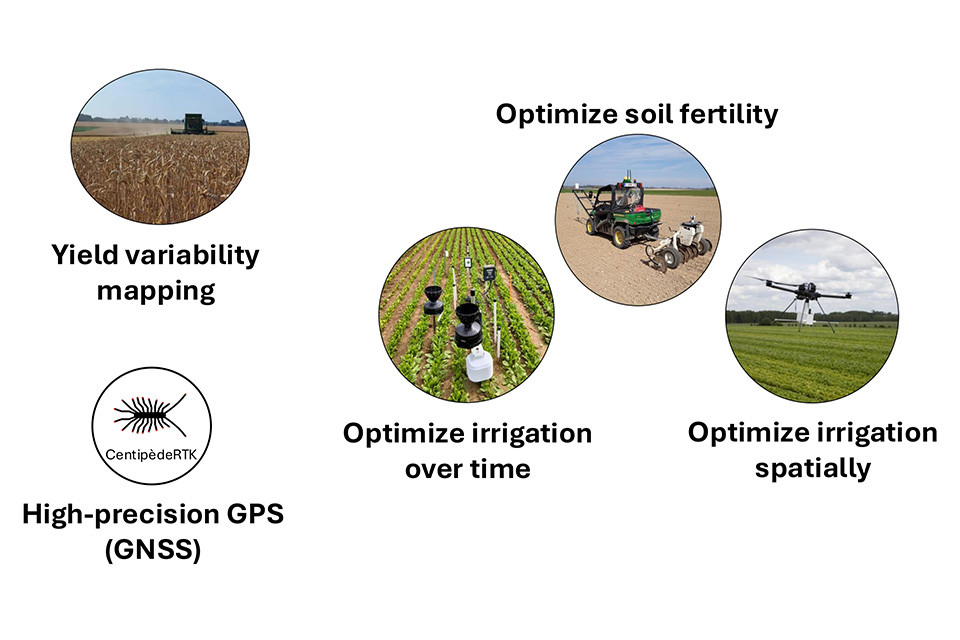
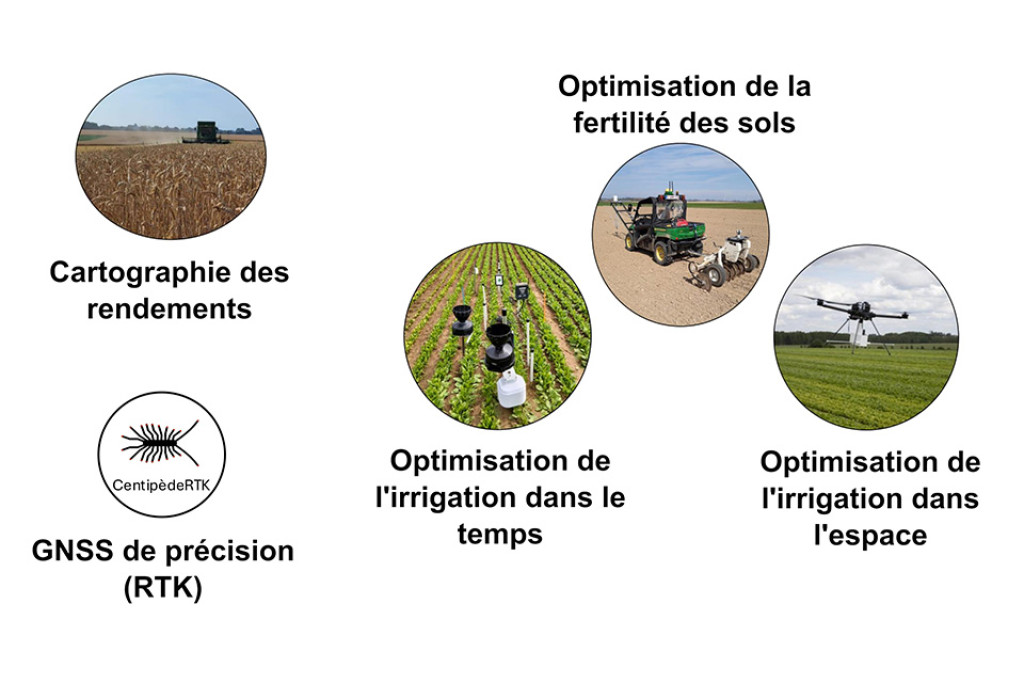
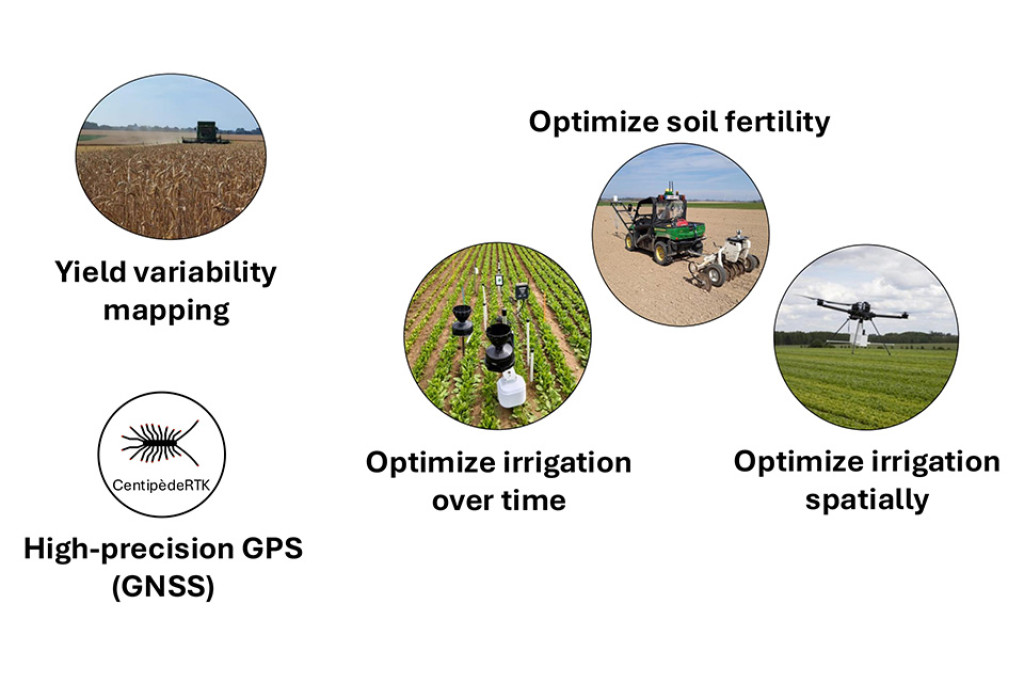
Topics addressed within DuraTechFarm
Yield mapping
Technologies tested:
· Yield sensors on combine harvesters (John Deere)
· Remote sensing indicators: Belcam (UCLouvain & CRA-W) and IrriWatch (Hydrosat)
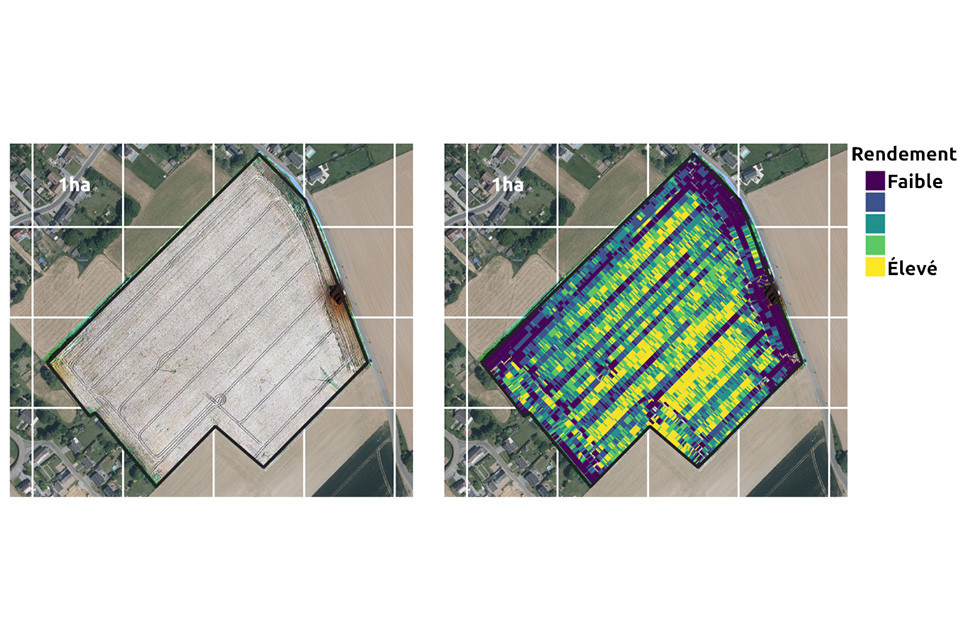
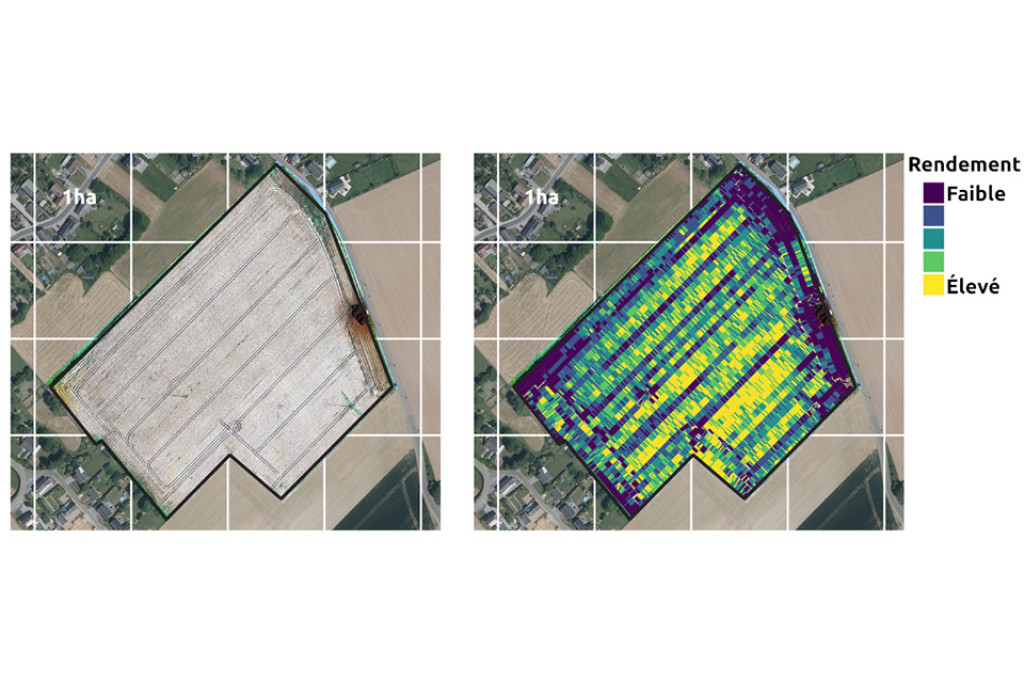
Only 6% of European farmers report using yield mapping technologies. Yet diagnosing strong yield heterogeneity within fields is a key entry point to precision agriculture. High intra-field yield variability is a key indicator suggesting the need to implement differentiated management practices within the field.
This work aims to assess how this variability can be measured and to what extent it can be explained by the data collected during the project. The results are available here.
Optimising soil fertility
Technologies tested:
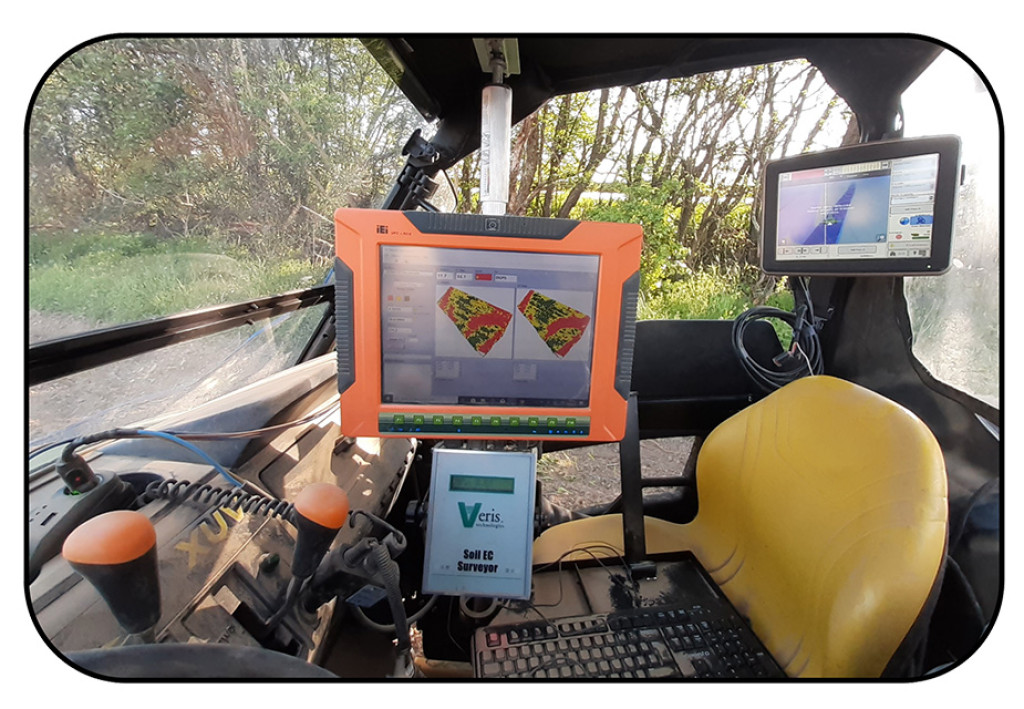
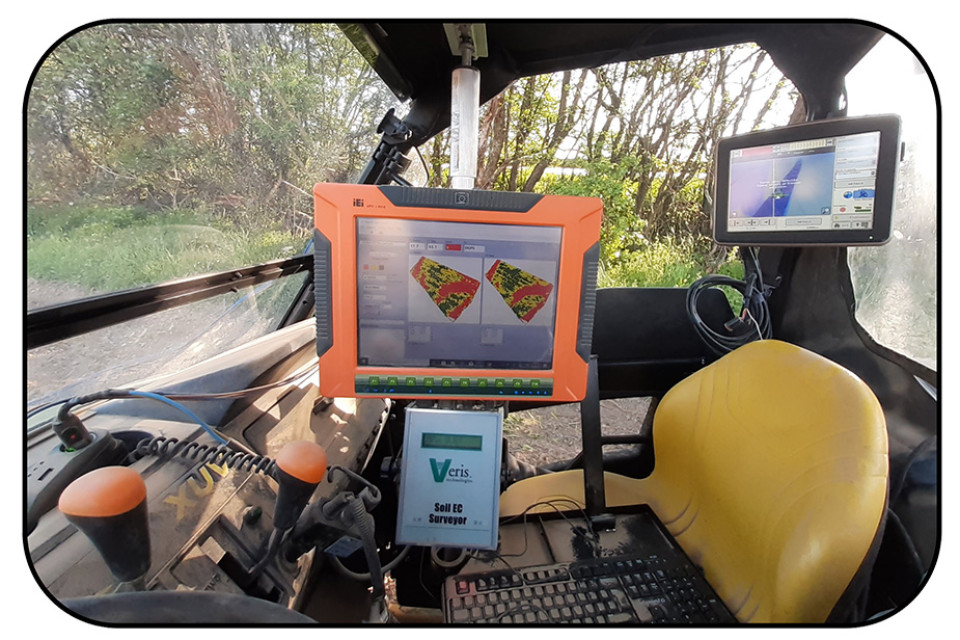
· Mapping of soil physico-chemical properties: Veris MSP3 (Vantage Agrometius) and INTERRA Scan (Syngenta)
· Implementation of variable-rate applications
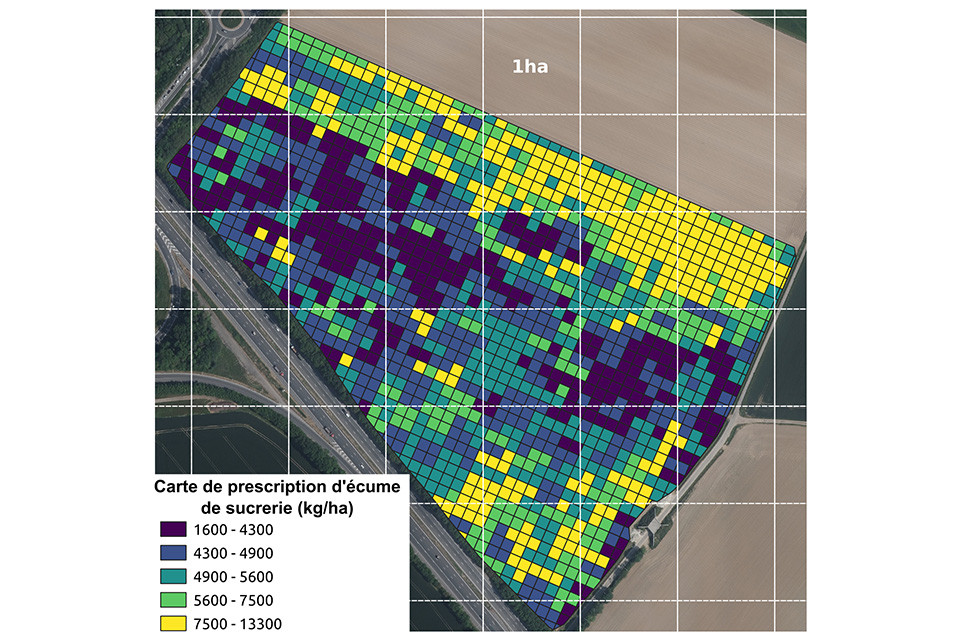
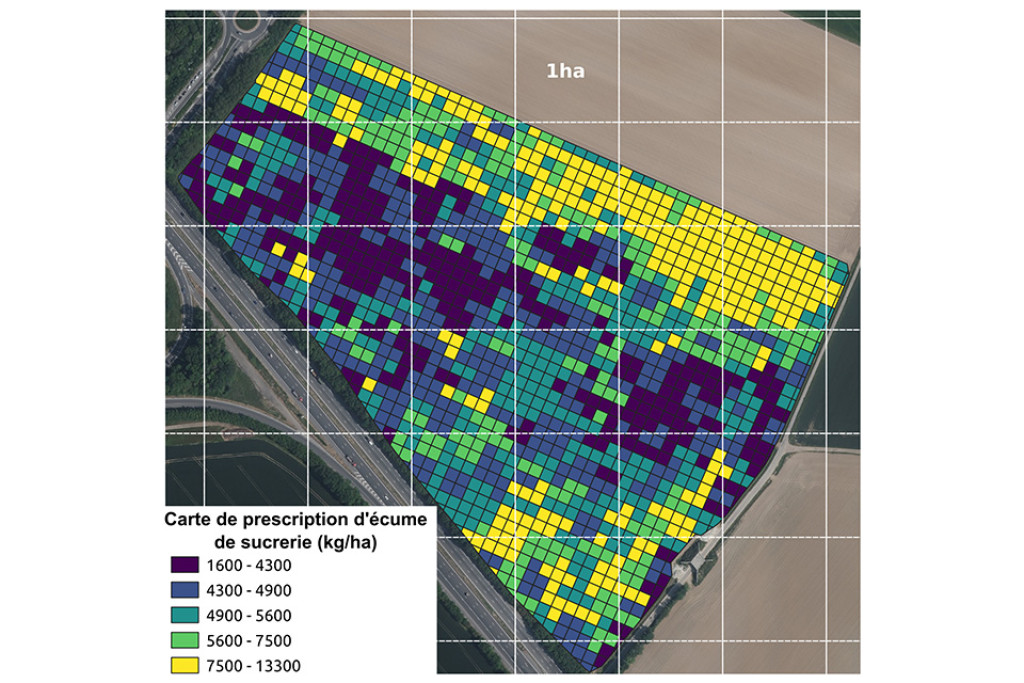
Homogenising pH and organic matter content within a field can generate lasting agronomic benefits. However, implementing variable-rate applications may face several types of barriers: financial (notably the cost of soil mapping); organisational (access to suitable equipment or service providers); and technical, due to the varying maturity of mapping technologies. These constraints must nevertheless be weighed against potential long-term gains and improved knowledge of farm soils. Feedback on soil mapping and variable-rate application of sugar lime and organic matter is available here.
Optimising irrigation over time
Technologies tested:
· Water balance models: Sencrop and Abelio
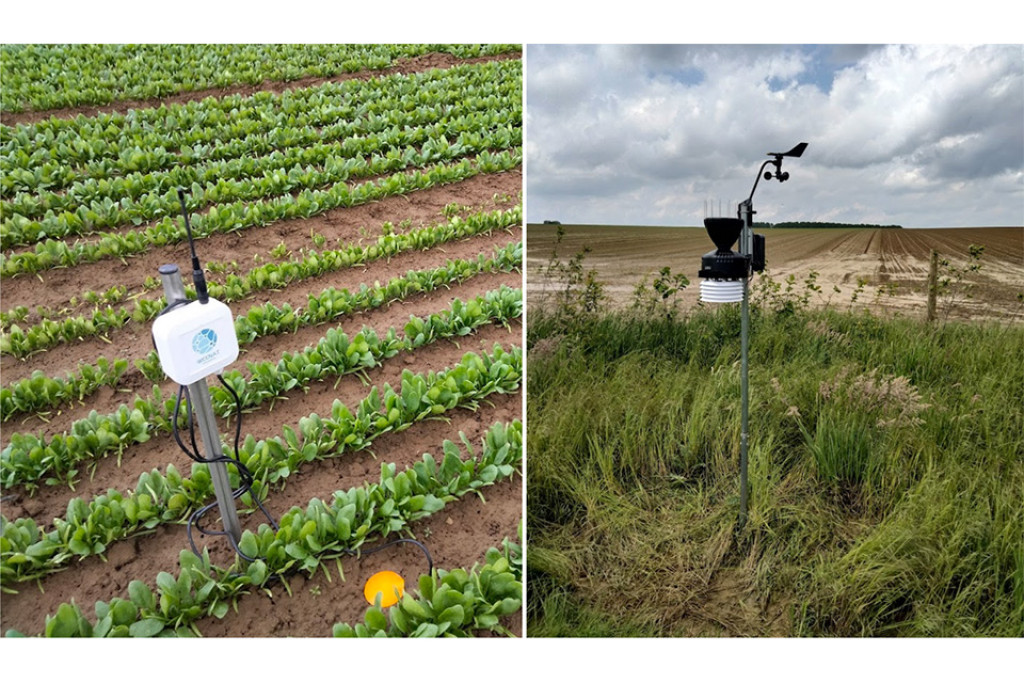
· Soil moisture probes: capacitive and tensiometric sensors tested with Weenat, Challenge Agriculture and AgroExact
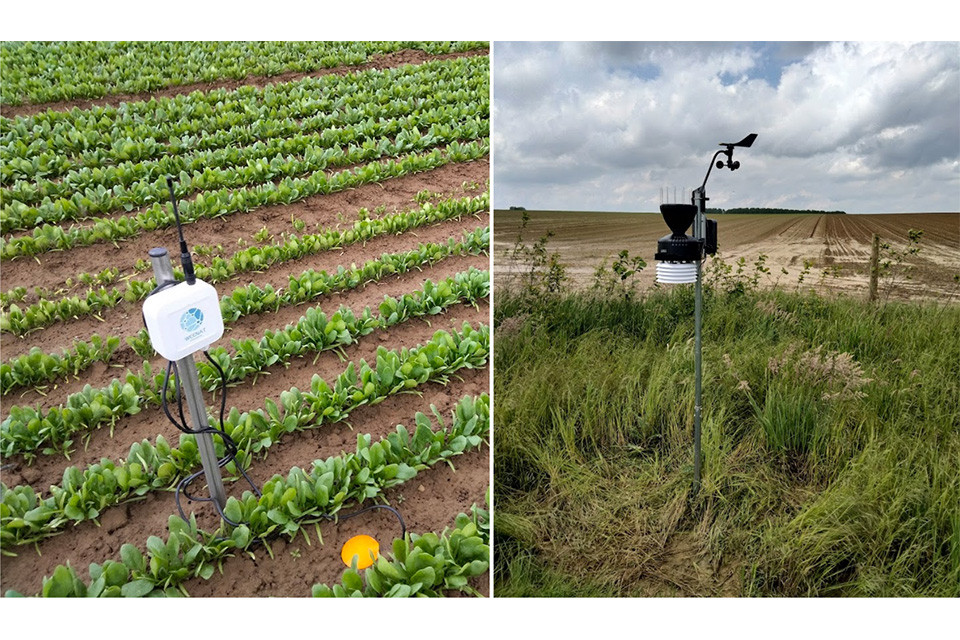
This work shows that the different solutions for managing irrigation scheduling offer complementary approaches, each with its strengths and limits, and that none constitutes a universal standalone solution.
Water balance-based solutions stand out for their simplicity and low investment level. Tensiometric probes provide information directly related to plant water stress, by measuring the effort required to extract water from the soil. Capacitive sensors provide more detailed information across the entire root profile by measuring soil moisture at several depths.
In conclusion, the choice of solution should be guided by farm objectives, acceptable investment level and the capacity to interpret data. The water balance approach appears robust and accessible, while probes allow further refinement when agronomic context and farm organisation justify it. Feedback is available here.
Optimising irrigation in space
Technologies tested:
· Soil moisture mapping solutions: gprSense®
· Variable-rate irrigation and sector control with Raindancer (telemetry, GPS tracking, automatic regulation of sprinkler angle and forward speed)
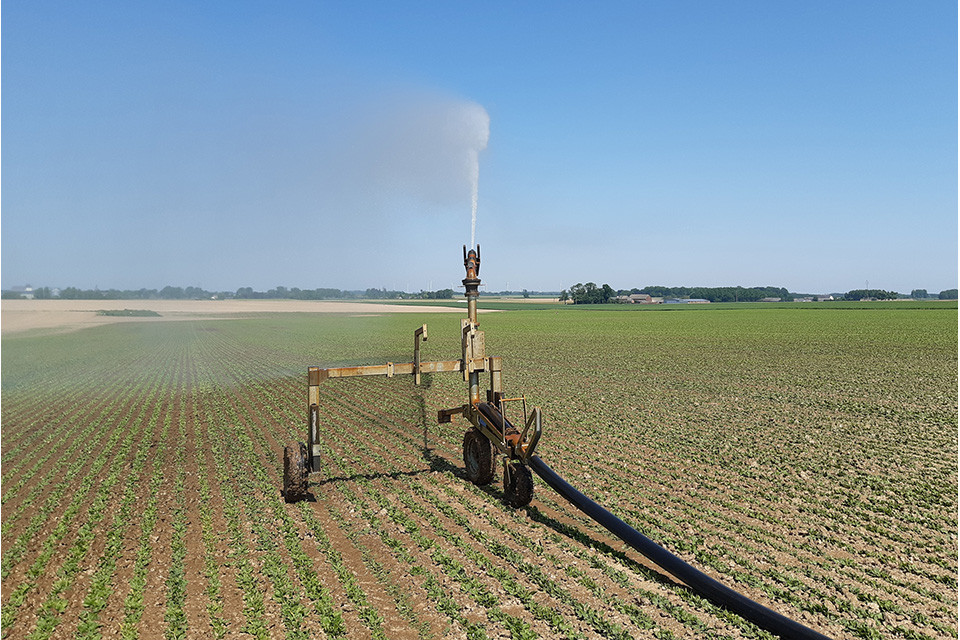
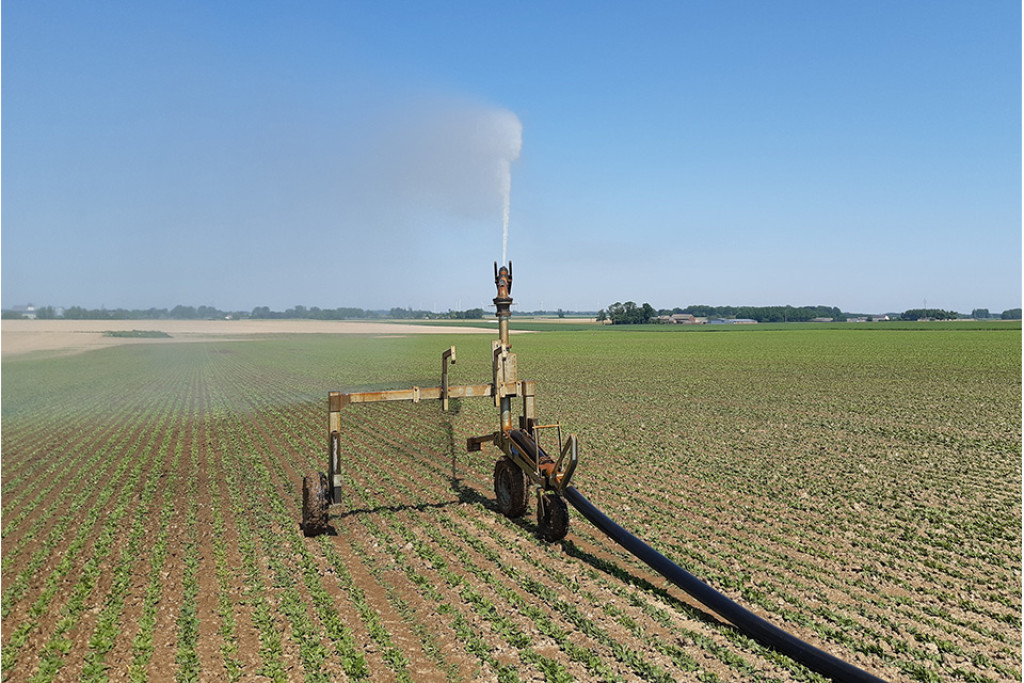
Irrigation equipment (booms, guns) can now be remotely controlled, with automatic regulation of sprinkler angle and forward speed. These functions allow section control to irrigate complex-shaped fields while avoiding off-field areas and limiting overlap between passes. They also pave the way for variable-rate irrigation based on water prescription maps.
Section control is simple to implement and can generate immediate benefits by reducing water volumes applied and increasing flexibility in equipment positioning. It represents a first step towards more precise irrigation.
Variable-rate irrigation offers the greatest water-saving potential. However, its implementation requires several technological components (mapping, agronomic interpretation, conversion and transfer of prescription maps). It therefore remains more complex to deploy and is currently reserved for farms with adequate resources and skills. Feedback is available here.
The project in videos
Project presentation
https://www.youtube.com/watch?v=dk9kEjMOb7g&t=1s
Connected irrigation: an afternoon to understand everything!
https://www.youtube.com/watch?v=pydLHmHks3o&t=50s
DuraTechFarm brings together 4 key partners…
CRA-W (Quentin Limbourg and Jean Artois)
Thanks to its strong expertise in precision agriculture and its involvement in smart farming, CRA-W is responsible for organising and implementing the project in all its dimensions: coordination, evaluation of existing solutions, development of innovative tools, analysis of relevant applications, as well as dissemination and communication of results.
UCLouvain (Sébastien Lambot)
UCLouvain has been studying the potential of radar for soil moisture mapping for several years. Within this project, the university contributes to radar adaptation and calibration for agricultural applications, interface development and measurement validation, in order to produce maps of intra-field soil moisture variability.
WalDigiFarm (WalDigiFarm)
WalDigiFarm leverages its experience and expertise in digital technologies applied to crop production in Wallonia to disseminate project results to the agricultural sector and the general public.
La Ferme du Plein Air (Ferme du Plein Air)
La Ferme du Plein Air combines organic and conventional agricultural production, including vegetable crops and arable farming. The team’s strong interest in new technologies has made the farm a privileged experimental site, allowing smart farming solutions to be evaluated under real conditions.
Funding
Three-year project funded by the Walloon recovery plan. #WallonieRelance, agreement D65-7390 + D65-7452.
Useful information
- Fiche1 prerequis
- Fiche2 heterogeneite
- Fiche3 scanning
- Fiche4 modulation
- Fiche5 irrigation
- Fiche6 pilotage
- Fiche7 agromet
- Optimisation de l’irrigation dans le l'espace.d
- Optimisation de l’irrigation dans le temps.d
- Optimisation de la fertilité des sols.
- WP4 Mesurer et expliquer l’hétérogénéité intra parcellaire du rendement .docx